Why Proper Preparation Makes All the Difference
Priming is a critical step before painting drywall. It ensures that your paint adheres well and lasts longer. Skipping this step can lead to uneven finishes, peeling, or other issues down the line. Whether you’re working on a new build or a renovation project, understanding why priming matters will save you time and money in the long run. This guide walks you through the benefits, common mistakes, and best practices for priming.
Benefits of Priming
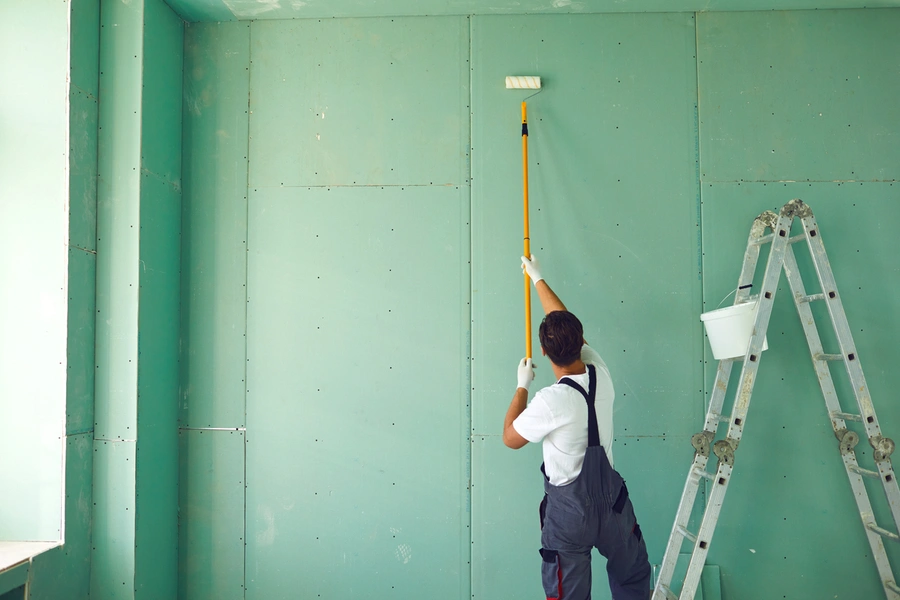
Priming provides several key advantages that contribute to the success of your painting project:
- Better Adhesion: Primer creates a smooth surface that helps the paint stick better to the drywall.
- Uniform Color: It provides an even base so your final coat looks consistent and vibrant.
- Longer Lasting Paint: Helps prevent peeling and chipping, which means less maintenance over time.
Common Mistakes to Avoid
Many people skip priming to save time or reduce costs, but this often leads to problems. For instance, failure to prime before starting drywall painting can result in patchy color and poor adhesion. Some also apply primer too thinly or use the wrong type. These mistakes affect the durability and appearance of the final paint job. Ensuring proper application will make a significant difference in quality.
How to Prime Your Drywall Effectively
If you’re wondering how to get started with priming, follow these simple steps for effective results:
- Surface Preparation: Make sure the drywall is clean and dust-free.
- Choose the Right Primer: Select a primer compatible with your paint type.
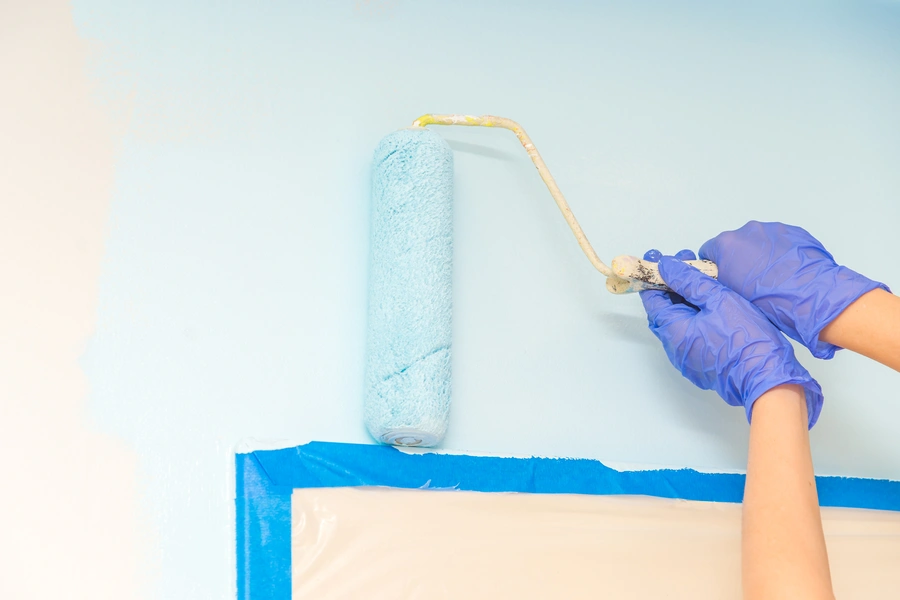
- Apply Evenly: Use a roller for large areas and a brush for corners and edges.
Expert Tips for Best Results
To achieve professional results, consider these tips:
- Adequate Drying Time: Allow the primer to dry completely before applying paint.
- Use Quality Tools: Invest in good brushes and rollers for a smooth finish.
- Multiple Coats: Sometimes two coats of primer are necessary for optimal coverage.
Industry Standards You Should Know
The painting industry follows strict guidelines for achieving high-quality finishes. Using primer aligns with standards set by paint manufacturers and industry bodies. These recommendations ensure longevity and satisfaction with the final outcome. Understanding these standards helps avoid pitfalls common to DIY projects.
The Cost Factor in Priming
You might wonder if priming adds much to the total cost of your project. While there’s an initial investment in buying primer, consider it as safeguarding your larger investment in paint and labor. The protective layer it offers reduces future repainting needs, offering a great return on investment (ROI).
Your Path to Perfect Walls
Ready to take your painting project to the next level? Prioritize priming for walls that stand the test of time. Located in Miami, FL, I offer expert guidance through every phase of your painting job. Get in touch with Elite Painting & Finish at (786) 589-3435 today for professional assistance tailored to your needs.